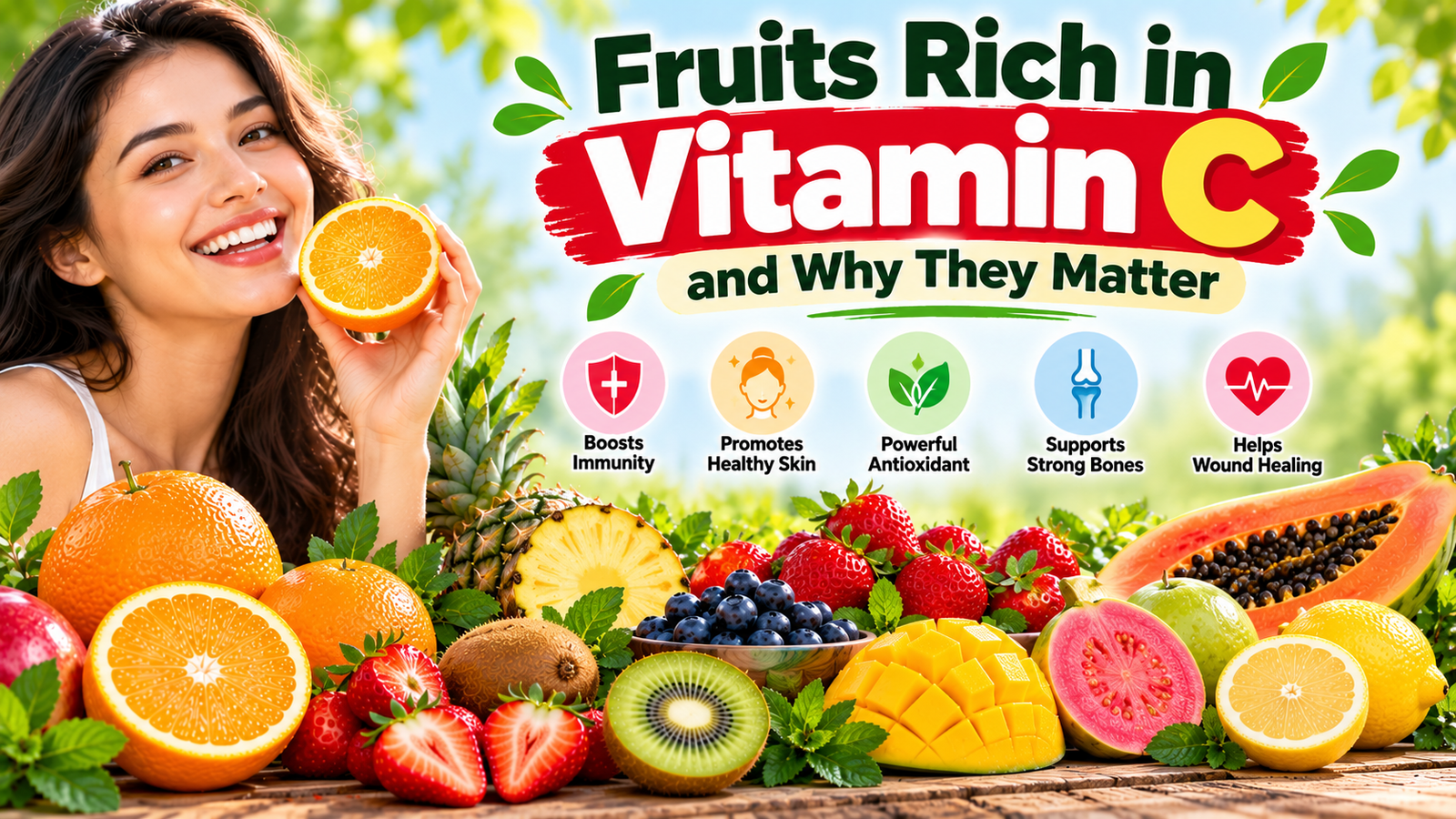
Vitamin C is one of the nutrients I think about whenever I try to build a healthy and balanced diet. It is a water soluble vitamin that the body needs for several important functions. Since the body does not make vitamin C on its own, getting it from food is an important part of everyday nutrition.
One of the easiest ways to include vitamin C in your diet is through fresh fruits. Many fruits contain vitamin C along with fiber, water, antioxidants, and other nutrients. This makes them a practical choice for anyone trying to improve their everyday eating habits.
In this article, I will discuss some of the best fruits rich in vitamin C, why vitamin C matters, and simple ways to include these fruits in your daily meals.
Why Does Vitamin C Matter?
Vitamin C plays several important roles in the body. It is involved in normal immune function and helps the body produce collagen, a protein that supports skin, bones, cartilage, and other tissues.
Vitamin C also helps with wound healing and improves the absorption of iron from plant based foods.
Another reason vitamin C is important is its antioxidant activity. Antioxidants help protect cells from oxidative stress caused by unstable molecules called free radicals.
This does not mean that eating one particular fruit can prevent illness or solve every health problem. I prefer looking at vitamin C as one part of an overall healthy diet.
1. Guava
Guava is one of the fruits I would recommend considering when looking for foods naturally rich in vitamin C.
This tropical fruit is flavorful, fragrant, and versatile. Depending on the variety, guava can be eaten with its skin and seeds after being washed properly.
You can enjoy fresh guava on its own, add it to a fruit salad, or blend it into a smoothie.
Guava is especially useful because it provides vitamin C along with dietary fiber and other nutrients.
2. Oranges
Oranges are probably one of the first fruits people think of when vitamin C comes up, and for good reason.
They are a convenient source of vitamin C and are naturally juicy and refreshing. Oranges can be eaten as a simple snack or added to fruit salads.
I prefer whole oranges over juice when possible because whole fruit contains fiber. Eating whole fruit also makes it easier to control portions compared with drinking a large amount of fruit juice.
3. Kiwi
Kiwi is a small fruit with a bright green interior and a refreshing sweet and tangy taste.
It provides vitamin C as well as fiber and other nutrients. Kiwi can be eaten with a spoon after cutting it in half, or peeled and sliced.
I like adding kiwi to breakfast bowls with yogurt, oats, and other fruits. It adds both color and flavor to an otherwise simple meal.
4. Strawberries
Strawberries are another delicious source of vitamin C. They are also relatively easy to include in everyday meals.
You can eat fresh strawberries as a snack, add them to oatmeal, mix them with yogurt, or use them in homemade fruit salads.
Because strawberries have a naturally sweet flavor, they can also be useful when you want a healthier alternative to highly processed sweet snacks.
5. Papaya
Papaya is a tropical fruit that provides vitamin C along with other nutrients.
Its soft texture makes it easy to eat, and ripe papaya can be enjoyed on its own or added to a fruit bowl.
Some people also enjoy papaya in smoothies. If you are preparing a smoothie, combining papaya with other fruits can create a naturally sweet and nutritious drink.
6. Mango
Mango is best known for its sweet tropical flavor, but it also contributes vitamin C to the diet.
Fresh mango can be eaten as a snack, added to salads, or included in smoothies.
I find mango especially useful during its natural season because it is enjoyable without needing much preparation. Simply cut it into pieces and enjoy it fresh.
7. Pineapple
Pineapple is another fruit that can contribute vitamin C to your daily diet.
It has a refreshing flavor and contains plenty of water, making it particularly enjoyable during warm weather.
Fresh pineapple can be added to fruit salads or eaten as a snack. You can also combine pineapple with other fruits to create a colorful homemade fruit bowl.
8. Grapefruit
Grapefruit is a citrus fruit that provides vitamin C and other nutrients.
It has a distinctive combination of sweet and slightly bitter flavors. Some people enjoy it on its own, while others add it to fruit salads.
One important point is that grapefruit can interact with certain medications. If you regularly take prescription medicines, it is worth asking a healthcare professional or pharmacist whether grapefruit is appropriate for you.
9. Lemons
Lemons are well known for their vitamin C content, although most people do not eat lemons in the same way they eat apples or oranges.
Instead, lemon juice and slices are often used to add flavor to water, salads, vegetables, and meals.
Adding lemon to food can be an easy way to include more vitamin C while also making meals more flavorful.
10. Limes
Limes are similar to lemons and can also contribute vitamin C.
They are commonly used in drinks, salads, sauces, and different recipes.
Instead of relying on sugary sauces or dressings for flavor, adding fresh lime juice can be a simple way to brighten a meal.
11. Cantaloupe
Cantaloupe is another fruit that provides vitamin C along with water and other nutrients.
Its naturally sweet flavor makes it a convenient summer snack.
I like cutting cantaloupe into small pieces and storing it in the refrigerator. This makes it easy to reach for when I want something cold and refreshing.
12. Blackcurrants
Blackcurrants are less common in some markets, but they are another fruit worth knowing about when discussing vitamin C.
They have a strong flavor and can be used in smoothies, fruit dishes, or other preparations.
If they are available where you live, they can add variety to your fruit choices.
Whole Fruits Are a Smart Choice
When choosing vitamin C rich foods, I generally prefer whole fruits.
Whole fruits provide more than just vitamin C. They also contain fiber, water, and various plant compounds.
For example, eating an orange gives you fiber that you would not get in the same amount from many orange juice products.
Juice can still be part of a diet, but whole fruit is often the more filling option.
Does Cooking Affect Vitamin C?
Vitamin C can be sensitive to heat and water, so some cooking methods can reduce the amount available in food.
This is one reason I enjoy eating many vitamin C rich fruits fresh. There is no need for complicated preparation.
Washing fruit properly, cutting it when needed, and eating it fresh can make healthy eating simple.
How to Add More Vitamin C Rich Fruits to Your Diet
There are many easy ways to increase your intake of vitamin C rich fruits.
You can start your morning with strawberries or kiwi added to yogurt. An orange can make an easy mid morning snack. Mango or papaya can be included in a fruit salad, while pineapple can make a refreshing afternoon snack.
Another simple idea is to prepare a mixed fruit bowl using two or three different fruits.
Smoothies can also be useful, especially when you combine whole fruits with yogurt or another nutritious ingredient. However, eating whole fruit is generally preferable when you want to maximize fiber and chewing satisfaction.
Vitamin C and a Balanced Diet
Although vitamin C is important, I do not think it is necessary to focus on one nutrient alone.
A healthy diet should include a variety of fruits, vegetables, whole grains, protein sources, and healthy fats.
Eating different fruits also gives you a wider range of nutrients and plant compounds.
For example, instead of eating oranges every day, you can rotate between guava, kiwi, strawberries, papaya, mango, pineapple, and citrus fruits.
This makes your diet more interesting while providing nutritional variety.
Can You Get Enough Vitamin C From Fruit?
Many people can meet their vitamin C needs through a varied diet that includes fruits and vegetables.
The amount of vitamin C a person needs depends on factors such as age, sex, and life stage. People who smoke may also have higher vitamin C requirements.
If you are concerned that your diet does not provide enough vitamin C, it is better to discuss your individual needs with a qualified healthcare professional rather than automatically relying on supplements.
Final Thoughts
Eating fruits rich in vitamin C is one of the simplest ways to add important nutrients to your daily diet. Guava, oranges, kiwi, strawberries, papaya, mango, pineapple, grapefruit, lemons, limes, cantaloupe, and blackcurrants can all contribute vitamin C while adding natural sweetness and variety to meals.
From my point of view, the best approach is to focus on variety rather than trying to find one perfect fruit. Different fruits provide different combinations of nutrients, fiber, and plant compounds.
A simple fruit snack, a colorful breakfast bowl, or a homemade fruit salad can make it easier to include vitamin C rich foods in your routine.
The important thing is to make healthy choices practical and enjoyable. When fresh fruit is easy to find, easy to prepare, and enjoyable to eat, maintaining a balanced diet becomes much simpler.