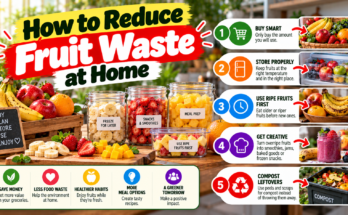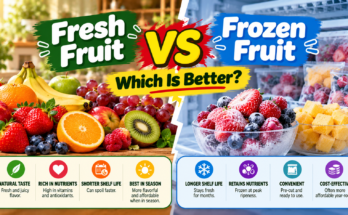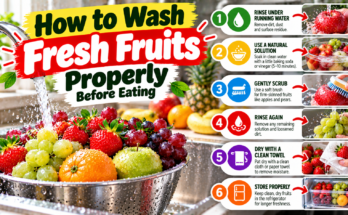
Freezing fresh fruit at home is one of the easiest ways to preserve fruit and reduce food waste. I personally find it useful when I have more fruit than I can eat before it becomes overripe. Instead of throwing away extra bananas, mangoes, berries, peaches, or other fruits, I can prepare them properly and keep them in the freezer for later use.
Learning how to freeze fresh fruits at home does not require complicated equipment. A freezer, suitable containers or freezer bags, and a little preparation are usually enough. The key is to choose good quality fruit, prepare it properly, protect it from excess air, and freeze it in a way that makes it easy to use later.
In this article, I will explain how to freeze different fresh fruits at home, how to prevent freezer burn, and how to store frozen fruit for better quality.
Choose Fresh and Ripe Fruits
The quality of fruit before freezing has a major effect on the final result.
Choose fresh fruit that is ripe or nearly ripe, depending on the variety. Avoid freezing fruit that already has mold, major bruises, unpleasant odors, or other clear signs of spoilage.
Freezing does not improve poor quality fruit. It mainly helps preserve the fruit in the condition it is already in.
For example, ripe mangoes can be frozen for smoothies and desserts, while firm berries can be frozen for later use.
I recommend checking every piece before preparing it for the freezer.
Wash the Fruit Properly
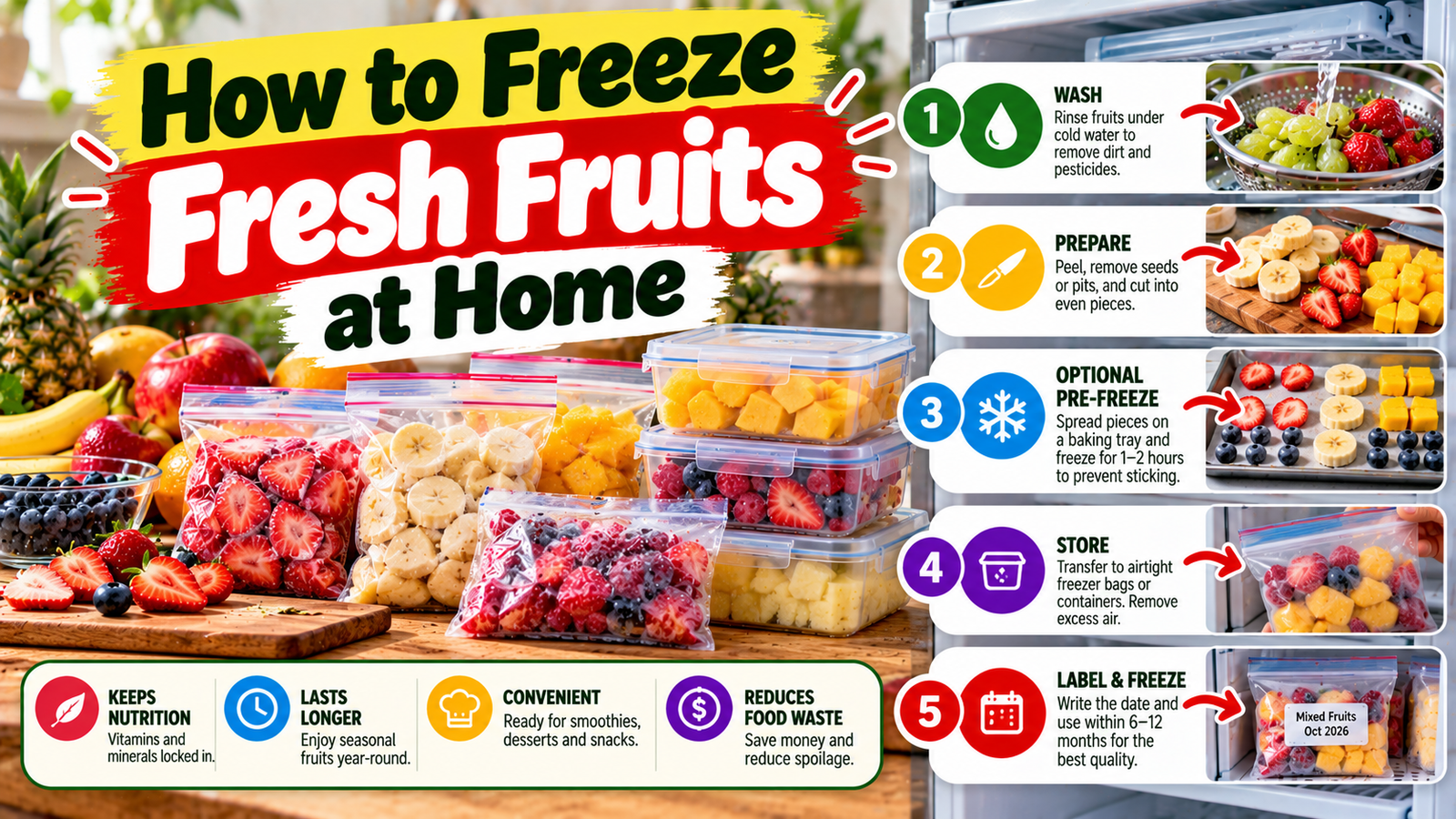
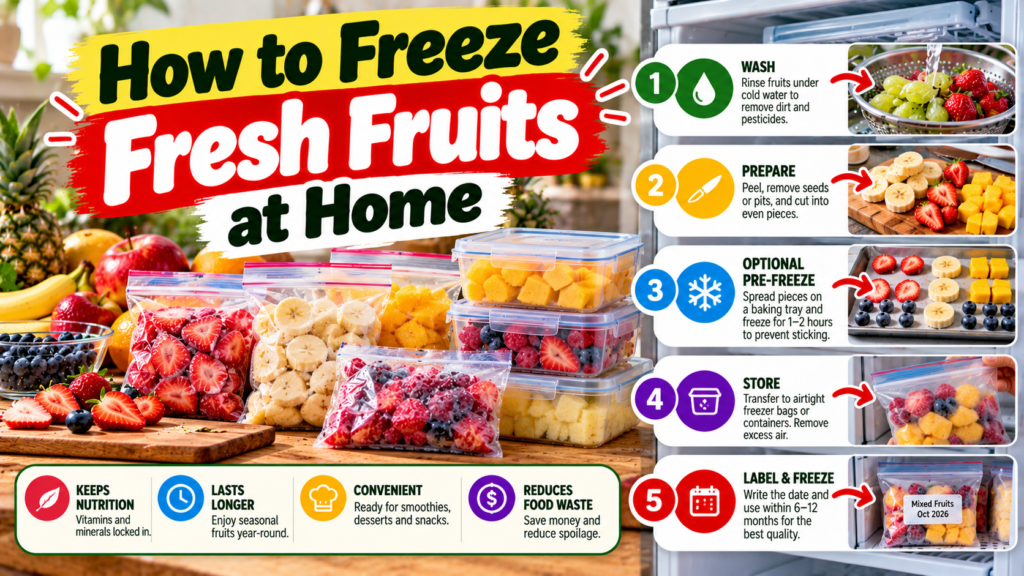
Wash fresh fruit before freezing it. Use clean running water and gently remove dirt or other material from the surface.
Some fruits should be washed shortly before freezing, while delicate fruits such as raspberries may require extra care because they can become damaged easily.
After washing, dry the fruit thoroughly. Excess water can form ice around the fruit and contribute to a softer texture after thawing.
Using a clean towel or allowing the fruit to air dry in a clean area can help remove excess moisture.
Remove Peels, Seeds, and Pits
Many fruits should be prepared before freezing.
Peel bananas, mangoes, and other fruits where the skin is not normally eaten. Remove pits from peaches, plums, cherries, and similar fruits.
For apples and pears, you can remove the core and cut the fruit into slices or pieces.
Preparing fruit before freezing makes it much easier to use later. You can take out exactly the amount you need without having to deal with hard frozen peels or pits.
Cut Fruit Into Useful Portions
Think about how you plan to use the fruit before freezing it.
If you usually make smoothies, cutting fruit into small pieces can make blending easier. If you plan to use mangoes for desserts, larger cubes may be more suitable.
I prefer freezing fruit in practical portions rather than putting everything into one large container.
This allows me to remove only what I need and return the rest to the freezer.
Freeze Fruit in a Single Layer
One of the best techniques for freezing fresh fruit is to spread the pieces out in a single layer on a tray.
Place a sheet of suitable baking paper on the tray if needed, then arrange the fruit so the pieces are not touching too closely.
Put the tray in the freezer until the fruit becomes firm.
Once frozen, transfer the pieces to a freezer safe container or bag.
This method helps prevent the pieces from freezing together into one large block.
Use Suitable Freezer Containers
Proper packaging is important for maintaining the quality of frozen fruit.
Use freezer safe bags, airtight containers, or other packaging designed for freezing.
Remove as much excess air as practical before sealing freezer bags. Too much air can contribute to freezer burn and can affect the flavor and texture of the fruit.
If you use containers, choose a size that fits the amount of fruit you are freezing without leaving excessive empty space.
Label Your Frozen Fruit
It is easy to forget how long something has been sitting in the freezer.
I recommend labeling each container or freezer bag with the type of fruit and the date it was frozen.
For example, you can write “Mango, October 7” on the package.
This small habit makes freezer organization much easier and helps you use older fruit first.
How to Freeze Strawberries
Strawberries are relatively easy to freeze at home.
Wash them gently, remove the leafy tops, and allow them to dry thoroughly. You can freeze them whole or cut them into smaller pieces.
Spread the strawberries in a single layer on a tray and freeze until firm. Then transfer them to a freezer safe bag or container.
Frozen strawberries are excellent for smoothies, desserts, sauces, and homemade fruit drinks.
How to Freeze Blueberries
Blueberries can also be frozen with relatively little preparation.
Wash them gently and allow them to dry completely. Spread them in a single layer on a tray and freeze until firm.
After freezing, transfer the blueberries to a suitable container or freezer bag.
Because blueberries are small, they are especially convenient for smoothies, oatmeal, baking, and other recipes.
How to Freeze Bananas
Bananas are one of the easiest fruits to freeze.
Peel ripe bananas and cut them into slices or smaller pieces. Arrange the pieces on a tray and freeze them until firm.
After that, transfer them to a freezer safe bag or container.
Frozen bananas are particularly useful for smoothies because they can add natural sweetness and a creamy texture.
Very ripe bananas can also be frozen and later used for banana bread, pancakes, or other recipes.
How to Freeze Mangoes
Mangoes are excellent for freezing when they are ripe and flavorful.
Peel the mango, remove the pit, and cut the flesh into cubes.
Place the cubes on a tray in a single layer and freeze them until firm. Then move the frozen pieces into a suitable freezer container.
Frozen mango is especially useful for smoothies, fruit desserts, and homemade frozen treats.
How to Freeze Pineapple
Fresh pineapple can also be frozen at home.
Remove the outer skin and tough core, then cut the edible portion into chunks or smaller pieces.
Dry the pieces as much as possible before arranging them on a tray.
Once frozen, transfer the pineapple pieces to a freezer bag or container.
Frozen pineapple works well in smoothies, desserts, fruit drinks, and cooked dishes.
How to Freeze Watermelon
Watermelon can be frozen, although its texture will change after thawing.
Remove the rind and seeds when appropriate, then cut the watermelon into cubes.
Freeze the pieces in a single layer before transferring them to a freezer container.
Frozen watermelon is often better for smoothies, frozen drinks, and blended recipes than for eating after thawing because it can become softer and more watery.
How to Freeze Apples
Apples can be frozen, but preparing them properly can help maintain better quality.
Wash the apples, remove the core, and cut them into slices or pieces.
Apples can brown after being cut, so a small amount of lemon juice can help reduce discoloration.
After preparing them, freeze the pieces in a single layer and transfer them to a suitable container once firm.
Frozen apples are useful for pies, sauces, smoothies, and cooked recipes.
Should You Add Sugar Before Freezing?
You do not always need to add sugar when freezing fresh fruit.
If you are freezing fruit for smoothies or everyday cooking, plain frozen fruit is often the simplest option.
Some recipes may call for sugar or syrup when preserving fruit, but this is not necessary for every type of fruit.
If you want to keep your frozen fruit simple, freeze it without unnecessary added ingredients.
How to Prevent Freezer Burn
Freezer burn can happen when frozen food is exposed to air for too long.
Although freezer burned fruit is not necessarily unsafe simply because it has freezer burn, its texture and flavor can suffer.
To reduce the risk, use good quality freezer packaging and remove as much excess air as possible.
Keep containers tightly sealed and avoid leaving freezer bags open.
Freezing fruit quickly and storing it properly can also help maintain better quality.
How to Thaw Frozen Fruit
The best thawing method depends on how you plan to use the fruit.
For smoothies, you often do not need to thaw the fruit at all. You can add frozen pieces directly to the blender.
For recipes where softer fruit is acceptable, you can thaw the fruit in the refrigerator.
Avoid leaving frozen fruit at room temperature for long periods. Once thawed, handle it like other perishable foods and use it promptly.
Remember that some fruits become softer after thawing because freezing changes their internal structure.
How Long Can Frozen Fruit Be Stored?
Properly packaged frozen fruit can maintain good quality for an extended period, although the exact storage life depends on the fruit, freezer conditions, and packaging.
For the best flavor and texture, I prefer using frozen fruit within a reasonable period rather than leaving it forgotten at the back of the freezer.
Labeling containers with the freezing date makes it much easier to keep track.
Keeping the freezer at a consistent temperature also helps maintain quality.
Common Mistakes When Freezing Fresh Fruits
One common mistake is freezing wet fruit. Excess moisture can create large ice crystals and affect texture.
Another mistake is putting too many pieces together before freezing. This can cause the fruit to form a large frozen block.
Using containers that are not designed for freezing can also lead to poor protection from air.
Failing to label packages can make it difficult to know what the fruit is or how long it has been stored.
Finally, freezing fruit that is already spoiled will not make it fresh again. Always start with good quality produce.
Final Thoughts
Learning how to freeze fresh fruits at home is a simple and practical way to preserve seasonal produce and reduce food waste. In my opinion, the most important steps are choosing fresh fruit, washing and drying it properly, removing peels and pits, cutting it into useful portions, and protecting it from excess air.
Freezing fruit on a tray before transferring it to a container can make individual pieces much easier to use later. Good freezer packaging and clear labels can also help maintain quality and keep your freezer organized.
Different fruits behave differently after freezing, so it is worth remembering that some fruits are better for smoothies and cooking than for eating after thawing.
With a little preparation, you can keep extra fruit in your freezer and enjoy its flavor long after you bought it. It is an easy habit that can save money, reduce waste, and make healthy fruit options available whenever you need them.